


When I left Nigeria for the UK back in 2007 with dreams of a bright future in the tech sector, around 150 million people lived in Nigeria. Fast forward to today, and that number has skyrocketed to an estimated 233 million. Wow, wow, wow. Whenever I visit home, it seems like it gets busier and busier, but the love is still strong.
The Continent’s Rapid Growth
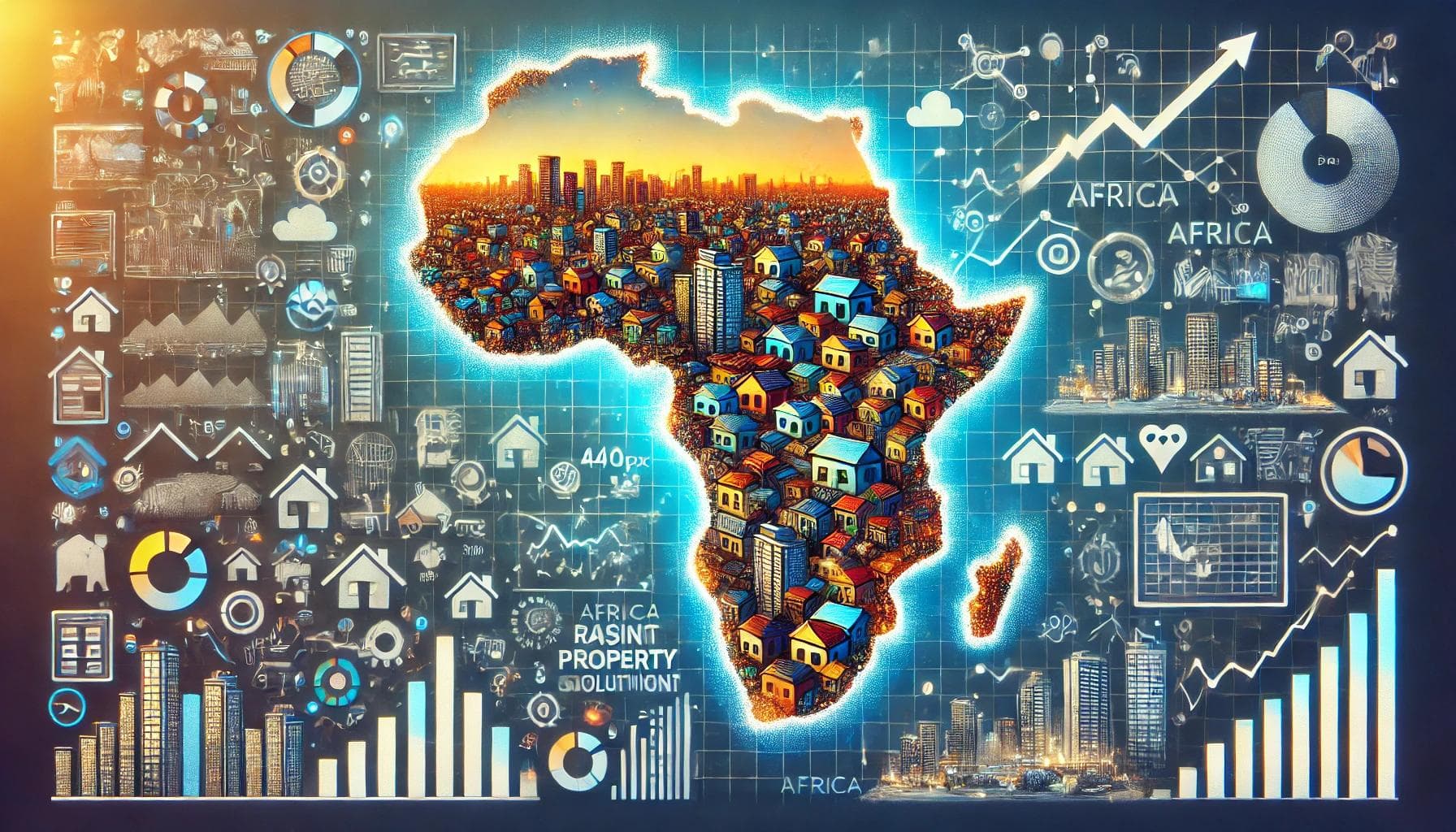
It’s mind-boggling how quickly things have changed. But it’s not just Nigeria—Africa as a whole is growing at a pace that’s hard to keep up with. In 2000, our continent had about 818 million people. As of the time of this article, Africa is at over 1.5 billion, which is 18.3% of the world’s population. This is a 2.36% increase from 2023, and a more than five-fold increase from 1960, when the population was 283 million. These aren’t just numbers; they’re real people needing real places to live, putting a lot of strain on our cities, especially when it comes to managing properties.
Kinshasa: A Case Study in Urban Growth
Take Kinshasa, the capital of the Democratic Republic of the Congo. Every single day, over 1,000 new residents are added to the city’s population. In 2000, Kinshasa had just over 6 million people. By 2020, that number had grown to more than 14 million. The city’s bursting at the seams, and it’s not alone—Lagos, Nairobi, Accra—they’re all feeling the heat.
The Youthful Surge: Gen Z Joins the Game
And let’s not forget about the youth. I have provided some staggering stats, right? Well, in my opinion, the most shocking stat is that, according to the United Nations, over 70% of the population in Sub-Saharan Africa is under the age of 30. Africa has the youngest population in the world by a country mile. It is not even close.
This means that Gen Z’s have officially joined the game. These young folks are diving into the real estate game headfirst. They’re using social media to push property listings and are all about digital trends like cryptocurrency. They’re the ones their parents are passing the torch to, taking over properties and estates. These are the new builders, the entrepreneurs, the property managers. They’ve grown up in a digital world, and they’re going to expect nothing less from real estate. For them, PropTech isn’t just nice to have—it’s the only way forward. Adapt, or get left behind.
Property Management Under Pressure
With this rapid growth comes massive pressure on property management. The demand for housing has shot through the roof, driving prices to eye-watering levels. As of July 2024, according to Nigerian Property Center—Nigeria’s biggest property listings portal—the average price of a house on their platform in Lagos is ₦202,630,000. And if you’re renting, brace yourself—the average rent in Lagos is around ₦6,000,000. But it’s not just about the money. The desperation for housing has led to a surge in fraud. We’ve all heard the horror stories of people renting a place only to find out the documents were fake. It’s happening far too often, and it’s leaving a lot of people out in the cold—literally. At Dormot, we regularly share personal stories and laugh and some times cry over it.
And then there’s the issue of finding good help. Skilled workers like plumbers and electricians are in short supply, making maintenance a nightmare. Without a public database for house prices, there’s no regulation. Prices just keep going up, and there’s no telling where it will stop.
The Future is PropTech
So, where do we go from here? The answer is clear: technology. PropTech isn’t just a fancy term; it’s the future of real estate and property management. According to Keble, the global PropTech market was valued at $26.8 billion in 2022 and is expected to hit $119.9 billion by 2032. Africa is catching up, too. In 2023, African PropTech startups attracted $16.2 million across just six deals. The interest is there, but we are not doing nearly enough to innovate.
Let’s talk about the tools we need. Besides a deep understanding of property managers’ and residents' issues, we need tools like Web 3.0, blockchain, and AI. These aren’t just buzzwords; they are the keys to transforming property management. Blockchain can give us secure, transparent records of property transactions, cutting down on fraud and building trust. AI can dig through data to predict market trends, set fair prices, and even match tenants with the right properties. It’s about making property management more efficient, more transparent, and, ultimately, more human.

Dormot’s Commitment to Change
At Dormot, we’re all in on this change. We see the challenges, but we also see the opportunities. Africa’s population boom isn’t just a challenge—it’s a wake-up call. With the right technology, we can turn these challenges into opportunities. It’s about creating a future where everyone can access safe, affordable, and well-managed housing.
Join the PropTech Movement
Whether you’re a property manager trying to stay ahead, an investor looking for the next big thing, or a young entrepreneur ready to make your mark, the time to embrace PropTech is now. Let’s work together to shape the future of real estate in Africa. Because if we don’t, we’re going to be left behind. And that’s not a future any of us want to face.